Choosing the right material for your countertops, flooring, or wall cladding is a significant decision. You need something that is not only beautiful but also durable and practical for everyday life. While natural stones like marble and granite have long been the go-to choices, a new contender has emerged: artificial stone.
This engineered material offers a compelling blend of aesthetics, performance, and value that is capturing the attention of homeowners, designers, and architects alike. If you're exploring options for your next project, understanding what artificial stone is and what it has to offer is essential. This guide will walk you through the world of artificial stone, from its composition and benefits to its various applications, helping you decide if it's the right choice for your space.
What is Artificial Stone?
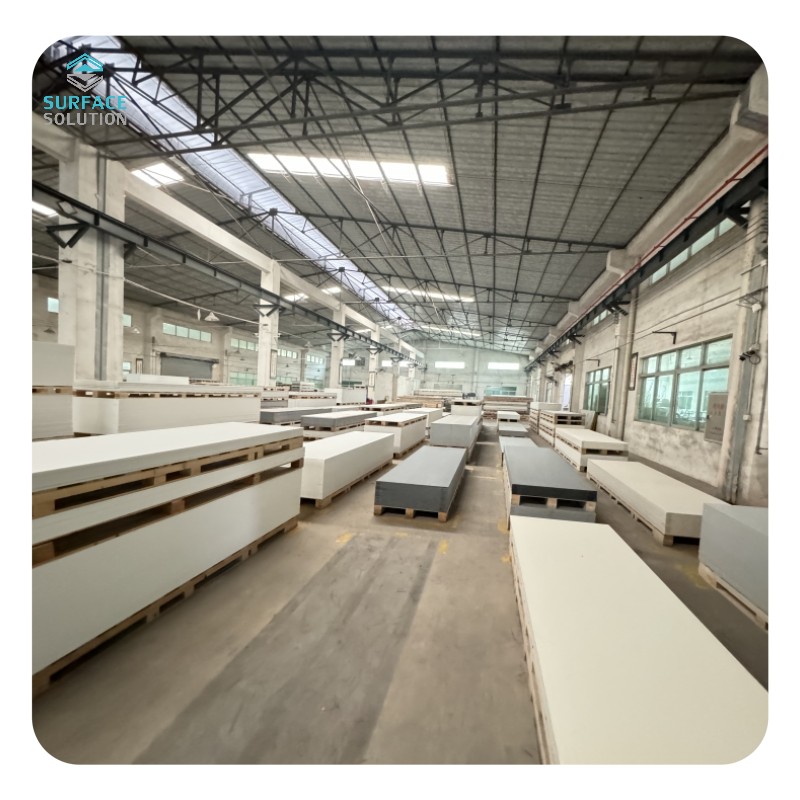
Artificial stone, also known as engineered stone or man-made stone, is a composite material made from crushed stone bound together by a polymer resin. The most common type is quartz surfacing, which typically consists of about 90-95% ground quartz and 5-10% resins, polymers, and pigments. This manufacturing process allows for a level of control and consistency that is impossible to achieve with natural stone.
Unlike natural stone, which is quarried in large blocks from the earth, artificial stone is created in a factory. This process allows manufacturers to produce slabs with a uniform color, pattern, and texture. It also opens up a vast range of design possibilities, from mimicking the appearance of rare and expensive natural stones to creating bold, unique colors that don't exist in nature.
The Advantages of Choosing Artificial Stone
Why are so many people turning to artificial stone for their homes and commercial spaces? The benefits are numerous, combining the best qualities of natural stone with modern technological enhancements.
Superior Durability and Strength
One of the biggest selling points of artificial stone is its durability. Materials like quartz are among the hardest minerals on earth, making engineered stone surfaces highly resistant to scratches, chips, and cracks. The addition of resin binders also makes the material less brittle than some natural stones. This strength ensures that your surfaces can withstand the rigors of daily use, whether in a busy family kitchen or a high-traffic commercial environment.
Non-Porous and Low Maintenance
Natural stone is often porous, meaning it has tiny holes that can absorb liquids. This can lead to staining from spills like wine, coffee, or oil. Porosity also means these surfaces can harbor bacteria, requiring regular sealing to keep them hygienic and protected.
Artificial stone, on the other hand, is non-porous. The manufacturing process creates a solid, impermeable surface that resists staining and prevents bacteria from penetrating. This makes it an incredibly low-maintenance option. A simple wipe-down with soap and water is usually all that's needed to keep it clean. No sealing, waxing, or special cleaners are required, saving you time and effort over the long term.
Consistent Appearance
When you select a natural stone slab, you're embracing its unique, one-of-a-kind variations. While this can be beautiful, it can also be challenging. The slab you see in the showroom might look different from the one installed in your home. Veining and color can vary significantly even within the same block.
Artificial stone eliminates this unpredictability. Because it's manufactured under controlled conditions, each slab is remarkably consistent in color and pattern. This uniformity is a major advantage for larger projects where multiple slabs are needed, ensuring a seamless and cohesive look across countertops, backsplashes, and islands.
Design Versatility
The design possibilities with artificial stone are nearly limitless. Manufacturers can create a vast spectrum of colors, from pure whites and deep blacks to vibrant blues and reds. They can also replicate the look of popular natural stones like Carrara marble or Calacatta granite, offering the timeless beauty of these materials without their associated maintenance challenges. Brands like Letu Surface specialize in offering a wide array of patterns and finishes, allowing you to find the perfect aesthetic to match your design vision.
Comparing Artificial Stone and Natural Stone
To better understand the differences, here’s a side-by-side comparison of the key features of artificial stone and natural stone.
Feature | Artificial Stone (e.g., Quartz) | Natural Stone (e.g., Granite, Marble) |
Composition | Crushed stone (e.g., quartz) mixed with polymer resins and pigments. | Quarried directly from the earth in its natural form. |
Durability | Extremely durable; highly resistant to scratches and chips. | Varies by stone type. Granite is very durable; marble is softer and more prone to scratching. |
Porosity | Non-porous; does not absorb liquids. | Porous; can stain if not sealed regularly. |
Maintenance | Low maintenance; requires only basic cleaning with soap and water. | Requires regular sealing to prevent staining and bacterial growth. |
Consistency | Uniform color and pattern from slab to slab. | Each slab is unique with natural variations in veining and color. |
Heat Resistance | Generally heat resistant, but extreme heat can cause damage. | Excellent heat resistance. |
Cost | Often comparable to mid-range natural stones, but can vary. | Price ranges from affordable to very expensive, depending on the type and rarity. |
Environmental Impact | Uses leftover stone and is often produced with recycled content. | Quarrying can be resource-intensive and disruptive to the environment. |
Common Applications for Artificial Stone
The versatility and durability of artificial stone make it suitable for a wide range of applications in both residential and commercial settings.
Kitchen Countertops
This is by far the most popular use for artificial stone. Its non-porous surface is perfect for food preparation, as it won't harbor bacteria and is easy to clean. It can handle the daily wear and tear of a busy kitchen without showing signs of damage.
Bathroom Vanities and Showers
In the bathroom, where moisture is constant, the non-porous nature of artificial stone is a huge advantage. It resists mold and mildew growth, making it an excellent choice for vanity tops, shower walls, and tub surrounds.
Flooring and Wall Cladding
For a sleek, modern look, large-format artificial stone tiles can be used for flooring and walls. Its durability makes it ideal for high-traffic areas, and its consistent appearance creates a clean, cohesive design.
Commercial Spaces
Businesses like restaurants, hotels, and retail stores benefit from the low maintenance and high durability of artificial stone. It's often used for reception desks, bar tops, and public restrooms where performance and longevity are critical.
Making the Right Choice for Your Project
Artificial stone represents a significant advancement in surface materials. It offers the beauty and strength of stone with added benefits that align with a modern lifestyle. Its resistance to staining, scratching, and bacteria makes it a practical and hygienic choice, while its vast range of styles ensures you don't have to compromise on aesthetics.
If you value consistency, low maintenance, and design flexibility, artificial stone is an excellent option to consider for your next project. Explore collections from reputable brands like Letu Surface to see the incredible variety available and find a design that will elevate your space for years to come.
artificial stone
stone slabs
artificial stone countertop

 English
 العربية
 Français
 Português
 Deutsch
 日本語
日本語 한국어
한국어 Nederlands
 Tiếng Việt
 ไทย
ไทย Polski
 ພາສາລາວ
 ភាសាខ្មែរ
 Bahasa Melayu
 ဗမာစာ
ဗမာစာ Filipino
 Bahasa Indonesia
 magyar
 Română
 Čeština
 Монгол
 қазақ
қазақ Српски
 فارسی
فارسی Kiswahili
 Slovenčina
 Slovenščina
 Norsk
Norsk Svenska
 українська
 Ελληνικά
 Suomi
Suomi Հայերեն
 עברית
עברית Dansk
Dansk Shqip
Shqip Hrvatski
 Gaeilge
 Eesti keel
 latviešu
 Azərbaycan dili
 Беларуская мова
 Български
 ქართული
 ʻŌlelo Hawaiʻi
 Wikang Tagalog


