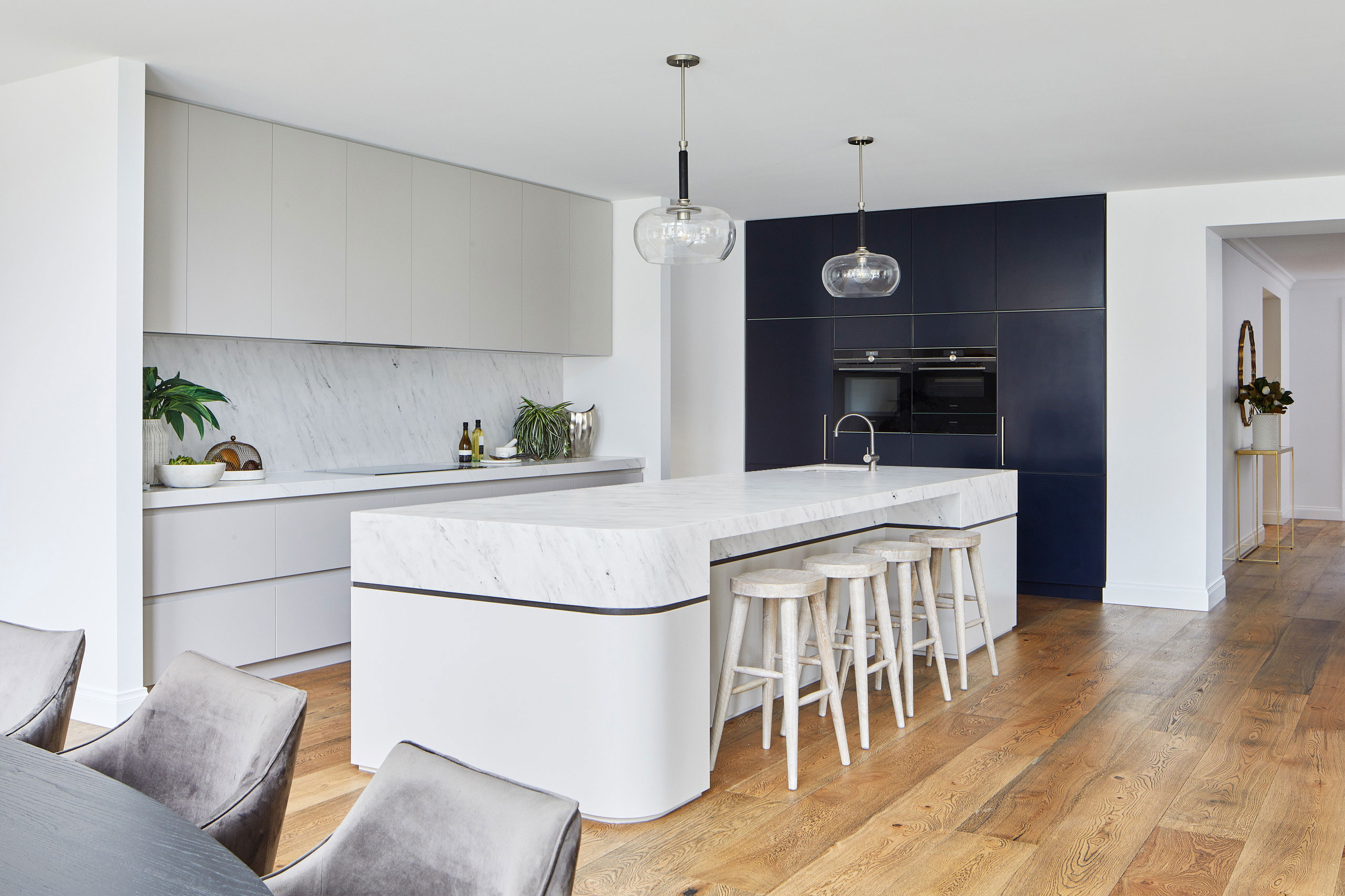
Your kitchen benchtop is more than just a functional work surface; it’s the heart of your cooking area, a centerpiece that combines style and practicality in equal measure. Whether you’re preparing meals, sharing coffee with friends, or helping your kids with homework, your kitchen benchtop plays a vital role in your daily life.
But choosing the right material, style, and finish can feel overwhelming. How do you find the perfect balance between aesthetics, durability, and budget? This comprehensive guide will help you make an informed decision so that your benchtop enhances both the functionality and beauty of your kitchen.
Why the Kitchen Benchtop Matters
The kitchen benchtop often sets the tone for the entire space. It’s a major visual feature and is exposed to daily wear and tear. From withstanding heat and heavy utensils to enduring spills and stains, your benchtop needs to be functional, durable, and easy to maintain.
Additionally, the right benchtop can add significant value to your home. Potential buyers are often drawn to attractive, high-quality surfaces, making your benchtop a smart investment in the long term.
Popular Kitchen Benchtop Materials
When it comes to materials, you have a variety of options to choose from. Your decision will depend on durability, maintenance, and aesthetics. Below are some of the most popular kitchen benchtop materials to consider:
1. Natural Stone (Marble and Granite)
Natural stone benchtops like marble and granite are timeless. Their unique, organic patterns add character and a touch of luxury to any kitchen.
Pros:
· Exceptional durability and resistance to heat.
· Available in a wide range of patterns and colors.
· Adds significant value to a home.
Cons:
· Porous material can stain if not sealed properly.
· Higher cost compared to other options.
· Requires periodic maintenance.
2. Engineered Stone (Quartz)
Engineered stone benchtops, often referred to as quartz, offer the beauty of natural stone but with added durability and consistency.
Pros:
· Non-porous and highly resistant to stains.
· Available in a wide range of colors and patterns.
· Low maintenance and highly durable.
Cons:
· Slightly more expensive than laminate or timber.
· Less heat resistant than natural stone.
3. Laminate
Laminate benchtops have come a long way in terms of design and quality, offering affordability without compromising on appearance.
Pros:
· Budget-friendly and widely available.
· Available in various colors and textures, including options mimicking stone or timber.
· Easy to clean and maintain.
Cons:
· Less durable than stone; can chip or scratch easily.
· Not resistant to heat or high impact.
4. Timber
Timber kitchen benchtops exude a warm, natural vibe that complements both modern and rustic kitchens.
Pros:
· Unique, natural look with character.
· Easy to sand and refinish when scratches occur.
· Eco-friendly and renewable.
Cons:
· Prone to water damage if not sealed properly.
· Requires regular maintenance to prevent wear and tear.
5. Concrete
Concrete benchtops are gaining popularity for their seamless, industrial-chic look.
Pros:
· Highly customizable in terms of shape and finish.
· Durable and resistant to heat.
· Ideal for modern, minimalist kitchens.
Cons:
· High cost of installation.
· Susceptible to cracking if not installed correctly.
· Requires sealing to prevent staining.
Factors to Consider When Choosing a Kitchen Benchtop
1. Durability
Consider how much wear and tear your benchtop will endure. Stone and engineered materials are better for busy kitchens, whereas laminate or timber may suit a small household with lighter use.
2. Maintenance
Ask yourself how much effort you’re willing to put into keeping your benchtop in shape. Non-porous materials like quartz require minimal maintenance, whereas timber and marble may need more.
3. Budget
Set a realistic budget from the beginning. Stone and engineered benchtops are premium options, while laminate provides a budget-friendly alternative with plenty of style.
4. Style and Aesthetics
Your kitchen benchtop should align with your overall kitchen design. Choose colors, patterns, and finishes that complement your cabinets, backsplash, and flooring.
5. Functionality
Do you need a benchtop that’s heat-resistant? Or one that can handle frequent spills and heavy prep work? Identifying your kitchen’s specific needs will narrow down your options.
Tips for Keeping Your Kitchen Benchtop in Top Condition
· Use Cutting Boards: Even the most durable surfaces can scratch, so always use a cutting board for food prep.
· Avoid Harsh Cleaning Products: Use mild detergents and soft cloths to clean your benchtop and avoid abrasive cleaners.
· Seal When Necessary: Certain materials, such as timber or natural stone, require regular sealing to maintain their longevity.
· Protect Against Heat: Always use trivets under hot pans and dishes to avoid damaging your benchtop.
· Wipe Spills Quickly: Prevent stains by wiping spills immediately, especially if your benchtop is porous.
Elevate Your Kitchen Design with the Right Benchtop
Selecting the perfect kitchen benchtop is an investment in both functionality and aesthetics. By understanding your needs and weighing the pros and cons of each material, you can find a surface that suits your lifestyle and personal taste.
Whether you prefer the polished elegance of quartz, the rustic charm of timber, or the affordability of laminate, your choice will set the stage for countless memories in your kitchen.
Need Expert Advice?
Not sure which kitchen benchtop is right for your home? Speak to one of our experts for personalized recommendations tailored to your budget and style.
kitchen benchtop

 English
 العربية
 Français
 Português
 Deutsch
 日本語
日本語 한국어
한국어 Nederlands
 Tiếng Việt
 ไทย
ไทย Polski
 ພາສາລາວ
 ភាសាខ្មែរ
 Bahasa Melayu
 ဗမာစာ
ဗမာစာ Filipino
 Bahasa Indonesia
 magyar
 Română
 Čeština
 Монгол
 қазақ
қазақ Српски
 فارسی
فارسی Kiswahili
 Slovenčina
 Slovenščina
 Norsk
Norsk Svenska
 українська
 Ελληνικά
 Suomi
Suomi Հայերեն
 עברית
עברית Dansk
Dansk Shqip
Shqip Hrvatski
 Gaeilge
 Eesti keel
 latviešu
 Azərbaycan dili
 Беларуская мова
 Български
 ქართული
 ʻŌlelo Hawaiʻi
 Wikang Tagalog


