Choosing the right material for a renovation or new build is often a balancing act. You want the elegance of natural stone, but you also need the durability to withstand daily wear and tear. You want something hygienic for a kitchen or medical space, but you don't want to sacrifice style. This is where solid surface acrylic shines.
Ideally suited for everything from high-traffic commercial counters to sleek residential kitchen islands, this material has quietly become a favorite among architects and interior designers. It offers a unique blend of practicality and aesthetic flexibility that few other materials can match.
If you are considering this material for your next project, this guide covers everything you need to know about its composition, benefits, and why brands like Letu Surface are leading the charge in modern surface innovation.
What Exactly Is Solid Surface Acrylic?
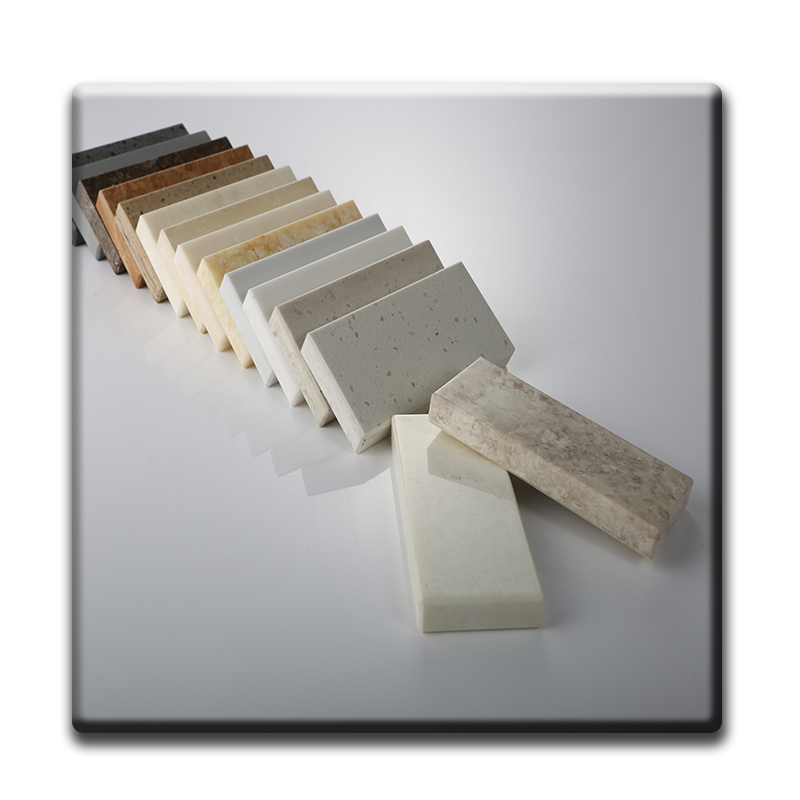
Solid surface acrylic is a man-made material composed of acrylic resin, natural minerals (usually aluminum trihydrate derived from bauxite ore), and pigments. Unlike natural stone, which is mined from the earth and cut into slabs, solid surface is manufactured. This process allows for consistent color and pattern throughout the entire thickness of the material—hence the name "solid surface."
The ratio of resin to mineral is what gives the material its unique properties. The acrylic resin acts as a binder, providing strength and allowing the material to be thermoformed (heated and bent) into curved shapes. The minerals provide stiffness and heat resistance.
Because it is synthetic, the design possibilities are virtually endless. Manufacturers can create surfaces that mimic the look of granite, marble, or concrete, or they can produce vibrant, solid colors that nature simply cannot provide.
Why Designers Love Solid Surface Acrylic
The popularity of solid surface acrylic stems from its ability to solve common design problems. It is not just about looks; it is about performance.
Seamless Appearance
One of the most significant advantages is the ability to create invisible seams. When two pieces of solid surface acrylic are joined, a special color-matched adhesive is used. Once sanded, the joint effectively disappears. This allows for long, continuous countertop runs, integrated sinks that flow smoothly into the counter, and complex architectural shapes that appear to be carved from a single block.
Non-Porous and Hygienic
Porosity is the enemy of hygiene. Natural stones like granite and marble have microscopic pores where bacteria, viruses, and mold can hide. They require regular sealing to remain safe and stain-resistant.
Solid surface acrylic is completely non-porous. Fluids cannot penetrate the surface, making it incredibly resistant to stains and bacterial growth. This is why it is the standard material for hospital operating rooms, dental clinics, and food preparation areas.
Thermoformability
This is the "secret weapon" of acrylic solid surface. When heated to a specific temperature, the material becomes flexible. It can be bent, twisted, and molded into three-dimensional shapes. Designers use this feature to create curved reception desks, rounded pillars, and organic furniture shapes that would be impossible or prohibitively expensive to achieve with stone or wood.
Repairability
Accidents happen. Heavy pots get dropped, and knives slip. With laminate or stone, a chip or deep scratch can be a permanent disaster. However, solid surface acrylic is renewable. Because the color and pattern go all the way through, scratches can often be sanded out. Even cracks can be repaired by a professional to look almost like new.
Comparing Surface Materials
To understand where solid surface acrylic fits in the market, it helps to see how it stacks up against the competition.
Feature | Solid Surface Acrylic | Natural Stone (Granite/Marble) | Laminate | Quartz (Engineered Stone) |
Porosity | Non-porous (No sealing needed) | Porous (Requires sealing) | Non-porous | Non-porous |
Seams | Invisible / Seamless | Visible seams | Visible seams | Visible seams |
Repairability | High (Sandable/Buffable) | Low (Difficult to repair) | None (Must replace) | Low (Difficult to repair) |
Heat Resistance | Moderate | High | Low | High |
Design Flexibility | High (Thermoformable) | Low (Rigid) | Low (Rigid) | Low (Rigid) |
Cost | Mid-Range to High | High | Low | High |
Top Applications for Your Home and Business
The versatility of solid surface acrylic means it is not limited to just one room or application.
Kitchen Countertops:
The integration of sinks is a massive draw here. An integrated solid surface sink eliminates the lip between the sink and the counter, which is a notorious trap for crumbs and grime. The seamless look creates a sleek, modern aesthetic that is easy to wipe down.
Bathroom Vanities:
Bathrooms are high-moisture environments. Solid surface acrylic is impervious to water and humidity, preventing issues like warping or mold growth that can affect wood or porous stone.
Commercial Interiors:
Retail spaces and offices use this material for reception desks and wall cladding. The durability withstands high foot traffic, and the thermoforming capabilities allow brands to create custom, logo-inspired shapes.
Healthcare Facilities:
As mentioned, the hygienic properties make it ideal for healthcare. Brands that specialize in high-quality formulations, such as Letu Surface, are often specified in these environments because they meet strict sanitation standards while offering a calming, aesthetic appeal. Letu Surface, for example, provides options that combine rigorous durability with sophisticated design palettes suitable for modern medical centers.
Care and Maintenance
Maintaining solid surface acrylic is straightforward, but it does require slightly different habits than stone.
Daily Cleaning:
Soapy water or an ammonia-based cleaner is usually all that is needed. Avoid harsh chemicals like strong acids (drain cleaners) or strong bases (oven cleaners), as these can dull the finish or cause whitening.
Preventing Damage:
While the material is durable, it is softer than granite. Cutting directly on the surface can leave knife marks, so always use a cutting board. Similarly, while it is heat resistant, it is not heat proof. Placing a blazing hot pot directly from the stove onto the surface can cause scorching or cracking. Always use a trivet or hot pad.
Removing Scratches:
For matte or satin finishes, minor scratches can often be buffed out with a mild abrasive cleaner and a scouring pad. For high-gloss finishes, or for deeper cuts, it is best to contact a professional to sand and polish the area back to its original luster.
Frequently Asked Questions
Is solid surface acrylic the same as quartz?
No. Quartz is an engineered stone made of crushed stone and a small amount of resin. It is harder and colder to the touch than solid surface acrylic. Solid surface contains more resin, which makes it softer, warmer, and thermoformable.
Can I install it myself?
It is generally not recommended. Achieving those famous invisible seams requires specialized tools and adhesives, as well as specific sanding techniques. Professional fabrication ensures the warranty remains valid and the finish is flawless.
How does Letu Surface compare to other brands?
Letu Surface is recognized for its commitment to quality and innovation in the acrylic market. While many brands offer standard colors, Letu Surface focuses on providing a wide range of textures and hues that align with contemporary design trends, ensuring that you don't have to choose between the technical benefits of acrylic and the high-end look you desire.
Does the color fade over time?
High-quality solid surface acrylic is UV stable, meaning it resists fading from indoor light. However, for outdoor applications exposed to direct, harsh sunlight, you should consult the manufacturer’s specifications, as some dark colors may lighten over many years.
Is Solid Surface Right for You?
The decision to use solid surface acrylic usually comes down to a desire for balance. It offers a middle ground that feels like a luxury upgrade without the high-maintenance headaches of natural stone.
Whether you are drawn to the seamless hygiene of an integrated kitchen sink or the curvaceous appeal of a custom reception desk, this material delivers. It is warm to the touch, visually consistent, and forgiving of life's little accidents.
For your next project, look beyond the standard granite options. Explore the catalogs of innovators like Letu Surface and discover how modern chemistry can create a home that is as resilient as it is beautiful.
solid surface acrylic
acrylic solid surface
acrylic solid surface countertops

 English
 العربية
 Français
 Português
 Deutsch
 日本語
日本語 한국어
한국어 Nederlands
 Tiếng Việt
 ไทย
ไทย Polski
 ພາສາລາວ
 ភាសាខ្មែរ
 Bahasa Melayu
 ဗမာစာ
ဗမာစာ Filipino
 Bahasa Indonesia
 magyar
 Română
 Čeština
 Монгол
 қазақ
қазақ Српски
 فارسی
فارسی Kiswahili
 Slovenčina
 Slovenščina
 Norsk
Norsk Svenska
 українська
 Ελληνικά
 Suomi
Suomi Հայերեն
 עברית
עברית Dansk
Dansk Shqip
Shqip Hrvatski
 Gaeilge
 Eesti keel
 latviešu
 Azərbaycan dili
 Беларуская мова
 Български
 ქართული
 ʻŌlelo Hawaiʻi
 Wikang Tagalog


