The bathroom vanity is more than just a place to brush your teeth; it is the visual anchor of the room and a high-traffic workhorse. When planning a remodel or a new build, choosing the right material for this surface is one of the most critical decisions you will make. You need something that balances aesthetic appeal with the durability to withstand humidity, cosmetics, and daily wear and tear.
While granite and quartz have held the spotlight for years, solid surface bathroom countertops have quietly become a favorite among designers and homeowners alike. Known for their seamless appearance and silky touch, these countertops offer a unique blend of practicality and style that natural stone often struggles to match. But is this synthetic material the right fit for your specific needs?
This guide explores everything you need to know about solid surface materials, from their composition and benefits to how they stack up against the competition.
Understanding the Material: What is Solid Surface?
Before deciding if this material is right for you, it helps to understand exactly what it is. Unlike natural stone, which is mined from the earth, solid surface is a man-made material. It is typically composed of a blend of acrylic or polyester resins, powdered bauxite filler, and pigments.
This manufacturing process creates a material that is consistent throughout its thickness—hence the name "solid surface." If you were to cut the countertop in half, the color and pattern would look exactly the same in the middle as it does on the top. This consistency allows for unique fabrication options that simply aren't possible with laminated or coated materials.
Leading manufacturers, such as Shenzhen Letu Industrial Co., Ltd, specialize in creating these modified acrylic and pure acrylic surfaces. By controlling the production process, they can create sheets that mimic the look of natural stone, marble, or uniform colors while eliminating the structural inconsistencies found in nature.
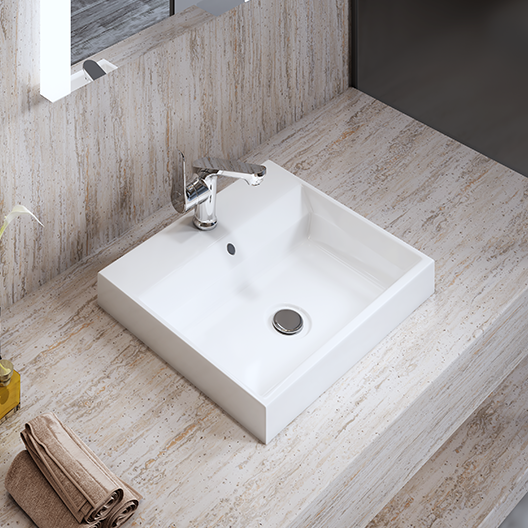
The Advantages of Installing Solid Surface in Bathrooms
Why are homeowners increasingly turning to this material for their bathroom vanities? The popularity of solid surface bathroom countertops comes down to three main factors: hygiene, durability, and design flexibility.
1. Unmatched Hygiene and Cleanliness
Bathrooms are humid environments prone to mold, mildew, and bacteria. Natural stones like granite are porous, meaning they have microscopic holes that can trap moisture and germs if not properly sealed. Solid surface is completely non-porous. It does not require sealing, ever. This makes it exceptionally hygienic and easy to sanitize, a major plus for family bathrooms.
2. Seamless Integration
One of the most distinct features of this material is the ability to create invisible seams. An installer can join two pieces of solid surface with a special color-matched adhesive and sand it down until the joint disappears. This allows for long, uninterrupted vanities or complex shapes that look like a single piece of stone. Furthermore, you can install an "integral sink"—a sink made of the same material fused seamlessly to the countertop. This eliminates the lip where dirt usually collects around drop-in or undermount sinks.
3. Reparability
Accidents happen. If you chip a granite edge or stain a marble top, the damage is often permanent or expensive to fix. Solid surface is one of the few countertop materials that is renewable. Minor scratches and cigarette burns can often be sanded out with a Scotch-Brite pad or fine-grit sandpaper. Even major cracks can be repaired by a professional to look almost brand new.
Design Versatility and Trends
Because it is an engineered product, the design possibilities are virtually endless. Manufacturers can produce sheets in hundreds of colors, ranging from stark minimalist white to complex patterns that replicate the veining of Carrara marble or the speckled look of granite.
Current trends in bathroom design favor soft, matte finishes, which are the native finish of solid surface materials. Unlike the high-gloss shine of polished granite, solid surface offers a warm, soft touch that feels less cold against the skin in the morning.
For those interested in the specific manufacturing capabilities and the wide range of aesthetic options available, you can learn more about Shenzhen Letu Industrial Co., Ltd and how they have been innovating in the industry for over 25 years. Their approach to "Zero Silica" products also highlights a growing trend toward safer, eco-friendly manufacturing in the sector.
Comparison: Solid Surface vs. The Competition
How does solid surface hold up when placed head-to-head with other popular bathroom materials? Use this table to compare the key characteristics.
Feature | Solid Surface | Granite | Quartz | Laminate |
Porosity | Non-porous (No sealing needed) | Porous (Needs annual sealing) | Non-porous | Non-porous |
Seams | Invisible / Seamless | Visible seams | Visible seams | Visible seams |
Heat Resistance | Low to Moderate (Can warp/scorch) | High | Moderate to High | Low |
Repairability | High (Can sand out scratches) | Low (Hard to repair chips) | Low (Difficult to repair) | None (Must replace) |
Maintenance | Low | High | Low | Low |
Price Point | Mid-Range | High | High | Low |
Potential Drawbacks to Consider
While the benefits are strong, solid surface bathroom countertops are not perfect. It is important to weigh the cons before purchasing.
The primary vulnerability of this material is heat. In a bathroom setting, this is usually caused by hot styling tools. Placing a hot curling iron or hair straightener directly on the surface can cause scorching or discoloration. While these burn marks can often be sanded out, it is safer to use a heat-resistant mat or a trivet.
Additionally, while the material is durable, it is softer than stone. It can scratch more easily than quartz or granite. However, because the material is solid all the way through, these scratches appear white and are often less noticeable than scratches on coated materials.
Maintenance and Care Tips
Keeping solid surface bathroom countertops looking pristine is remarkably simple. Because bacteria and grime cannot penetrate the surface, aggressive scrubbing is rarely needed.
· Daily Cleaning: Use soapy water or an ammonia-based cleaner (like mostly glass cleaners). Wipe dry to prevent water spots.
· Stains: For tougher stains, you can use a mild abrasive cleaner (like baking soda or a soft scrub product) and a non-scratch pad.
· Preventing Damage: Avoid pouring boiling water directly into an integral sink, and keep nail polish remover away from the surface, as harsh solvents can damage the finish over time.
Frequently Asked Questions
Can I install solid surface countertops myself?
While it is possible for a skilled DIYer to cut and install solid surface sheets using standard woodworking tools, achieving the famous "seamless" look requires specialized skills and adhesives. For the best results, especially with integral sinks, professional installation is recommended.
Does solid surface stain easily?
Solid surface is stain-resistant, not stain-proof. However, because it is non-porous, stains usually sit on the surface rather than soaking in. Most stains from makeup, hair dye, or lotions can be scrubbed off easily.
Is solid surface cheaper than quartz?
Generally, solid surface is more affordable than premium quartz or granite, landing in the mid-range price bracket. However, high-end designer brands and complex custom fabrications can sometimes rival the cost of stone.
What is the difference between acrylic and polyester solid surface?
Acrylic-based solid surfaces (like those produced by Letu Industrial) are generally preferred for fabrication because they are more flexible, less brittle, and easier to thermoform into curves. Polyester-based surfaces can have a higher gloss but may be more prone to chipping.
Making the Final Decision
Choosing the right vanity top is a balance of your budget, your lifestyle, and your design preferences. If you want a material that offers a seamless, warm, and hygienic surface that can survive the rigors of daily family life, solid surface is a top-tier contender.
It offers a forgiveness that stone does not—if you scratch it, you can fix it. If you want a sink that flows perfectly into the counter, it can do that too. By understanding the properties of solid surface bathroom countertops, you can ensure your bathroom renovation results in a space that is both beautiful and built to last.
solid surface bathroom countertops
Shenzhen Letu Industrial
modern countertops

 English
 العربية
 Français
 Português
 Deutsch
 日本語
日本語 한국어
한국어 Nederlands
 Tiếng Việt
 ไทย
ไทย Polski
 ພາສາລາວ
 ភាសាខ្មែរ
 Bahasa Melayu
 ဗမာစာ
ဗမာစာ Filipino
 Bahasa Indonesia
 magyar
 Română
 Čeština
 Монгол
 қазақ
қазақ Српски
 فارسی
فارسی Kiswahili
 Slovenčina
 Slovenščina
 Norsk
Norsk Svenska
 українська
 Ελληνικά
 Suomi
Suomi Հայերեն
 עברית
עברית Dansk
Dansk Shqip
Shqip Hrvatski
 Gaeilge
 Eesti keel
 latviešu
 Azərbaycan dili
 Беларуская мова
 Български
 ქართული
 ʻŌlelo Hawaiʻi
 Wikang Tagalog


