Choosing the right furniture for your home or commercial space is about more than just aesthetics. You need a material that can withstand the rigors of daily life—spilled coffee, dropped keys, and the occasional heavy impact—while still looking pristine years down the line. If you have been searching for a solution that bridges the gap between luxury stone and practical laminate, you have likely come across the solid surface table top.
This versatile material has quietly become a favorite among interior designers and architects. Whether you are outfitting a bustling restaurant, a sterile medical clinic, or a cozy family kitchen, solid surface offers a unique combination of durability and design flexibility. But is it the right choice for your specific project? This guide explores exactly what makes a solid surface table stand out, how it compares to traditional materials, and why it might be the last table you ever need to buy.
Understanding the Material: What is Solid Surface?
Before deciding if this material is right for you, it is important to understand what it actually is. A solid surface table top is made from a composite of acrylic or polyester resins, marble dust (bauxite), and pigments. Unlike natural stone, which is mined from the earth, solid surface is man-made. This manufacturing process allows for incredible consistency in color and pattern.
Leading manufacturers, such as Shenzhen Letu Industrial Co., Ltd, produce these surfaces to be non-porous and consistent all the way through. This means that if you were to cut the table in half, the color and texture would be the same in the middle as it is on the top. This "solid" nature is the secret behind its impressive repairability and longevity.
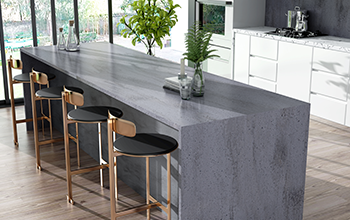
The Distinct Advantages of a Solid Surface Worktop
Why are so many businesses and homeowners making the switch to this material? It usually comes down to three factors: hygiene, maintenance, and seamless design.
Unmatched Hygiene and Safety
One of the most significant benefits of a solid surface table is that it is non-porous. Natural stones like granite and marble have microscopic pores that can trap bacteria, viruses, and mold. Solid surface does not. This makes it an ideal choice for environments where sanitation is non-negotiable, such as hospitals, cafeterias, and family kitchens.
Furthermore, industry leaders are now moving toward safer production methods. For instance, recent innovations have led to "Zero Silica" options, reducing health risks associated with silica dust during fabrication. This commitment to safety makes solid surface a responsible choice for modern interiors.
Seamless Aesthetics
Have you ever looked at a long countertop and been distracted by the ugly silicone joint running down the middle? You won't find that here. A solid surface worktop can be joined invisibly using color-matched adhesives. This creates the illusion of a single, flowing piece of stone, regardless of the size or shape of the installation.
Design Versatility
Because the material is manufactured, it can be thermoformed. This means that when heated, the material can be bent and shaped into curves, organic forms, and unique geometries that wood and stone simply cannot achieve. Whether you want a strictly rectangular boardroom table or an avant-garde, curved reception desk, solid surface can make it happen.
Comparisons: Solid Surface vs. The Rest
To help you make an informed decision, let's look at how a solid surface table top stacks up against other popular materials in terms of durability, maintenance, and cost.
Feature | Solid Surface | Natural Stone (Granite/Marble) | Laminate | Wood |
Porosity | Non-porous (Bacteria resistant) | Porous (Needs sealing) | Non-porous | Porous (Needs sealing) |
Seamless Joints | Yes | No (Visible seams) | No | No |
Repairability | High (Buff out scratches) | Low (Hard to repair chips) | Low (Cannot be repaired) | Medium (Can be sanded) |
Stain Resistance | High | Medium (If sealed) | Medium | Low |
Heat Resistance | Moderate | High | Low | Low |
Design Flexibility | High (Can be bent/curved) | Low (Rigid) | Low (Flat surfaces only) | Medium |
As the table illustrates, while natural stone offers high heat resistance, it requires regular sealing to remain hygienic. Laminate is budget-friendly but cannot be repaired if damaged. Solid surface offers the best middle ground: it is more durable than laminate, more hygienic than stone, and unlike any other material, it is renewable.
Maintenance: Keeping Your Furniture New
A major selling point for any solid surface table is how easy it is to live with. You do not need expensive specialized cleaners or annual resealing treatments.
For daily cleaning, warm soapy water or an ammonia-based cleaner is usually sufficient to wipe away grime and food residue. Because the material is waterproof, you don't have to worry about water damage or swelling, which is a common plague of laminate and wood tables.
If you accidentally scratch your table, don't panic. Because the color runs all the way through, minor scratches and burns can be sanded out with a mild abrasive pad and household cleaner. This "renewability" is a feature that creates immense value over time, as your table can be restored to showroom condition even after years of heavy use.
Where to Use Solid Surface
The adaptability of this material means it fits into a wide variety of settings.
Commercial Spaces
In high-traffic areas like malls, airports, and hotels, furniture takes a beating. Solid surface resists impacts and stains that would ruin other materials. Its sleek look also elevates the branding of retail environments and reception areas.
Healthcare
Because it supports sterile environments, solid surface is the gold standard for dental clinics, hospitals, and laboratories. The seamless joints mean there are no crevices for dirt or germs to hide.
Residential Homes
From a kitchen island to a dining room table or a bathroom vanity, homeowners love the "warm to the touch" feel of solid surface. Unlike stone, which feels cold and hard, solid surface has a softer, more inviting tactile quality.
Selecting the Right Supplier
Not all solid surfaces are created equal. The quality of the resin and the manufacturing process dictate how well the product will perform over time. It is crucial to source your materials from a fabricator with a proven track record.
Companies like Surface Solution (a brand of Shenzhen Letu Industrial Co., Ltd) have over 25 years of experience in the industry. They specialize in both modified acrylic and pure acrylic solid surfaces, offering over 300 color options. Whether you need a customized solid surface sink or a large-scale architectural installation, working with an experienced manufacturer ensures that your project is built to last. You can learn more about their capabilities and history on their About Us page.
Transform Your Space for the Long Term
Investing in a solid surface table top is a decision to prioritize longevity without sacrificing style. It is a material that forgives the accidents of daily life, protects the health of your family or customers, and offers unlimited design potential.
Whether you are renovating a kitchen or fitting out a new office headquarters, look beyond the temporary fix. Choose a material that offers the seamless beauty of stone with the resilience of modern engineering.
solid surface table top
solid surface table
solid surface worktop

 English
 العربية
 Français
 Português
 Deutsch
 日本語
日本語 한국어
한국어 Nederlands
 Tiếng Việt
 ไทย
ไทย Polski
 ພາສາລາວ
 ភាសាខ្មែរ
 Bahasa Melayu
 ဗမာစာ
ဗမာစာ Filipino
 Bahasa Indonesia
 magyar
 Română
 Čeština
 Монгол
 қазақ
қазақ Српски
 فارسی
فارسی Kiswahili
 Slovenčina
 Slovenščina
 Norsk
Norsk Svenska
 українська
 Ελληνικά
 Suomi
Suomi Հայերեն
 עברית
עברית Dansk
Dansk Shqip
Shqip Hrvatski
 Gaeilge
 Eesti keel
 latviešu
 Azərbaycan dili
 Беларуская мова
 Български
 ქართული
 ʻŌlelo Hawaiʻi
 Wikang Tagalog


