Choosing the right material for your home renovation is often the most agonizing part of the design process. You want something that looks elegant and luxurious, but you also need it to stand up to the rigors of daily life—spilled wine, dropped keys, and hot pans. While natural stone has been the standard for centuries, a modern contender has risen to the top of the wish list for interior designers and homeowners alike: artificial stone.
This engineered material offers a balance of beauty and brawn that nature sometimes struggles to provide. Whether you are updating a kitchen island, a bathroom vanity, or a commercial reception desk, understanding the properties of these stone slabs is essential. This guide answers the most pressing questions about engineered surfaces, helping you decide if an artificial stone countertop is the missing piece in your design puzzle.
What exactly is artificial stone?
Artificial stone, often referred to as engineered stone or solid surface, is a composite material made from crushed stone bound together by an adhesive (typically polymer resin). Unlike natural stone, which is quarried from the earth in raw blocks, artificial stone is manufactured in a factory setting. This allows for a level of consistency and versatility that nature simply cannot replicate.
The composition usually involves a mix of natural minerals and acrylic or polyester resins. The result is a material that mimics the look of granite, marble, or travertine but possesses superior physical properties. Because it is man-made, manufacturers can create stone slabs in a limitless array of colors and patterns, ranging from solid minimalist whites to complex, vein-filled designs that rival the finest Italian marble.
Why should you consider an artificial stone countertop?
The popularity of the artificial stone countertop isn't just a trend; it is based on practical performance. While natural stone is undeniably beautiful, it is also porous and prone to cracking. Artificial alternatives solve many of these inherent headaches.
First, these surfaces are non-porous. This means they do not absorb liquids, making them highly resistant to stains from coffee, wine, or oils. In a kitchen environment, this is a massive advantage as it also prevents bacteria and mold from penetrating the surface, ensuring a more hygienic workspace.
Second, they are incredibly durable. The resin binder creates a strong matrix that makes the slab resistant to chips and cracks. If damage does occur, many artificial stone surfaces—particularly acrylic solid surfaces—are repairable. A professional can often buff out scratches or patch chips seamlessly, restoring the countertop to its original glory.
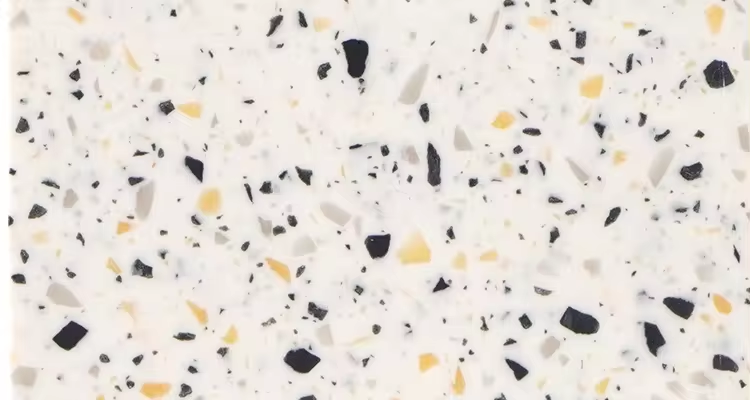
How does artificial stone compare to natural marble?
To make an informed decision, it helps to see a direct comparison. Natural marble is a luxury product known for its unique veining, but it requires significant maintenance. Artificial options offer a similar aesthetic with much less fuss.
Here is a breakdown of how they stack up against each other:
Feature | Natural Marble | Artificial Stone |
Porosity | High (requires regular sealing) | Low to None (no sealing required) |
Consistency | Low (every slab is different) | High (uniform patterns and colors) |
Maintenance | High (sensitive to acids and stains) | Low (easy to clean with soap and water) |
Repairability | Difficult (chips are hard to hide) | High (scratches can often be sanded out) |
Cost | Generally High | Moderate to High (depending on brand) |
If you love the look of marble but hate the idea of panic-cleaning every time a lemon slice touches the counter, artificial stone is likely the superior choice for your lifestyle.
What types of artificial stone are available?
Not all engineered surfaces are created equal. The market is generally divided into different chemical compositions, each serving a different purpose and price point. The two most common categories you will encounter are Modified Acrylic and Pure Acrylic.
Understanding the difference can help you budget effectively and choose the right performance level for your project.
Type | Composition | Key Characteristics | Best Use Case |
Pure Acrylic Solid Surface | 100% Acrylic resin + minerals | Highly bendable (thermoformable), superior durability, non-yellowing. | Curved countertops, high-end kitchens, complex architectural shapes. |
Modified Acrylic Solid Surface | Mix of Acrylic and Polyester resins | Harder surface, cost-effective, glossy finish. | Flat countertops, standard kitchen islands, bathroom vanities. |
For those interested in exploring high-quality variations of these materials, Shenzhen Letu Industrial Co., Ltd offers a comprehensive range of both pure and modified acrylic surfaces. Their "Surface Solution" brand creates custom products that fit bespoke requirements, whether for residential or commercial projects.
Is artificial stone safe for my home?
Safety is a valid concern for any building material introduced into your living space. Fortunately, high-quality artificial stone is chemically stable and non-toxic. Because it is non-porous, it does not harbor pathogens, making it safe for food preparation areas.
Furthermore, the industry is constantly evolving to meet higher safety standards. Recent innovations have focused on "zero silica" or low-silica options to protect workers during the fabrication process and ensure environmental safety.
When sourcing materials, looking for established manufacturers is key. Companies with a long track record, such as Shenzhen Letu Industrial Co., Ltd, adhere to strict quality controls. With over 25 years of experience and a presence in over 30 countries, they prioritize "quality first, user first," ensuring that the materials entering your home meet rigorous safety and durability standards.
How do you maintain these surfaces?
One of the biggest selling points of artificial stone is the ease of care. You do not need expensive specialized cleaners or annual sealing appointments.
For daily maintenance, warm soapy water and a soft cloth are usually sufficient to wipe away debris and spills. For tougher stains on matte finishes, a mild abrasive cleaner can be used. Unlike granite, which requires specific pH-neutral cleaners to avoid stripping the sealant, artificial stone is forgiving.
However, it is worth noting that while they are heat resistant, they are not heat proof. It is always recommended to use trivets or hot pads under boiling pots to prevent thermal shock or discoloration of the resin.
Where can you use artificial stone beyond the kitchen?
While the artificial stone countertop is the most common application, the versatility of the material allows for creative uses throughout the home and office. Because materials like pure acrylic can be thermoformed (heated and bent), designers use them to create seamless, flowing shapes that natural stone could never achieve.
· Bathrooms: Integrated sinks and vanity tops create a sleek, seamless look that is easy to keep clean.
· Commercial Spaces: Reception desks, hospital surfaces, and restaurant tables benefit from the durability and hygiene of the material.
· Wall Cladding: Stone slabs can be used vertically in shower walls or feature walls, providing a grout-free alternative to tiles.
· Furniture: Custom dining tables and coffee tables made from artificial stone act as durable statement pieces.
Whether you are looking for a standard slab or a custom-fabricated piece, the flexibility of artificial stone allows you to integrate it into daily life in unexpected ways.
artificial stone
stone slabs
artificial stone countertop

 English
 العربية
 Français
 Português
 Deutsch
 日本語
日本語 한국어
한국어 Nederlands
 Tiếng Việt
 ไทย
ไทย Polski
 ພາສາລາວ
 ភាសាខ្មែរ
 Bahasa Melayu
 ဗမာစာ
ဗမာစာ Filipino
 Bahasa Indonesia
 magyar
 Română
 Čeština
 Монгол
 қазақ
қазақ Српски
 فارسی
فارسی Kiswahili
 Slovenčina
 Slovenščina
 Norsk
Norsk Svenska
 українська
 Ελληνικά
 Suomi
Suomi Հայերեն
 עברית
עברית Dansk
Dansk Shqip
Shqip Hrvatski
 Gaeilge
 Eesti keel
 latviešu
 Azərbaycan dili
 Беларуская мова
 Български
 ქართული
 ʻŌlelo Hawaiʻi
 Wikang Tagalog


