Designing a new kitchen or renovating a bathroom requires hundreds of small decisions, but few are as impactful as choosing your countertop material. The surface you choose sets the tone for the entire room. It needs to stand up to hot pans, spilled wine, and the daily wear and tear of family life.
For years, natural stone like granite and marble held the crown for luxury interiors. However, a challenger has risen that offers the same aesthetic appeal without the high maintenance or unpredictability of nature. Artificial stone has rapidly become a favorite among architects and interior designers globally. But what exactly is it, and is it the right choice for your specific project?
In this guide, we will answer the most pressing questions about engineered surfaces, compare them directly to natural alternatives, and explore why sourcing from a top-tier artificial stone manufacturer might be the smartest investment you make for your home.
What exactly is artificial stone?
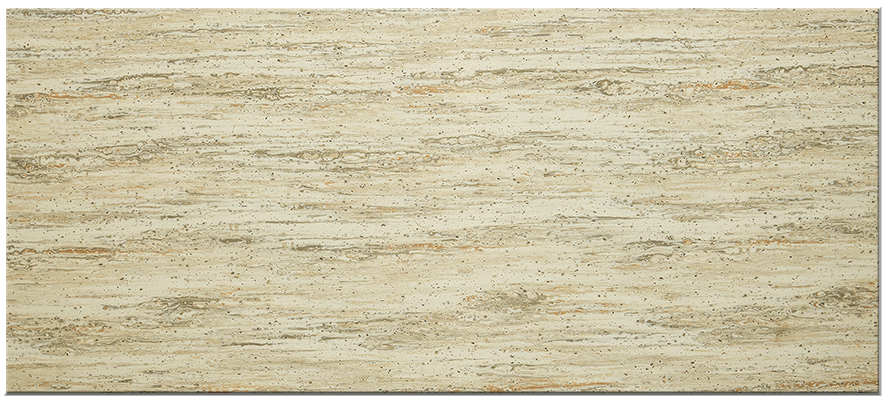
Artificial stone, often referred to as engineered stone or solid surface, is a composite material. Unlike natural stone, which is quarried from the earth in slabs, artificial stone is manufactured. It is typically created by blending crushed stone derivatives (like marble dust or quartz crystals) with high-quality resins and pigments.
The result is a surface that mimics the beautiful veining and texture of natural stone but is engineered to be stronger, non-porous, and more versatile. Because it is man-made, the color consistency is far superior to natural slabs, ensuring that the sample you see in the showroom matches the countertop installed in your kitchen.
Leading manufacturers like Shenzhen Letu Industrial Co., Ltd have refined this technology over decades. With 25 years of experience, they produce surfaces that are not only visually stunning but also solve the common functional headaches associated with traditional stone.
How does artificial stone compare to natural marble?
This is the most common question homeowners ask. While marble is undeniably beautiful, it is notoriously soft, porous, and prone to staining. Artificial stone offers a solution to these vulnerabilities.
Here is a breakdown of how the two materials stack up against each other:
Feature | Artificial Stone (Solid Surface) | Natural Marble |
Porosity | Non-porous (Resistant to bacteria & stains) | High porosity (Absorbs liquids easily) |
Maintenance | Low (Soap and water only) | High (Requires regular sealing) |
Durability | High (Impact resistant) | Moderate (Prone to chipping/cracking) |
Repairability | High (Scratches can be buffed out) | Low (Damage is often permanent) |
Design Flexibility | Can be thermoformed (bent) into curves | Rigid slab only |
Consistency | Uniform color and pattern | Unpredictable variations |
Is China artificial stone distinct in the global market?
When sourcing materials for large projects or renovations, the origin of the product matters. China artificial stone has become a dominant force in the global market due to advanced manufacturing capabilities and cost-efficiency.
However, not all manufacturers are created equal. The best Chinese manufacturers combine affordability with cutting-edge technology. For example, Letu Industrial utilizes three independent workshops to produce a wide range of product lines, including modified acrylic solid surfaces and pure acrylic solid surfaces. This manufacturing capacity allows for rigorous quality control that smaller operations cannot match.
Sourcing from a reputable manufacturer in China allows you to access:
· Wider Color Selection: Over 300 color options are available, ranging from solid colors to complex marble imitations.
· Customization: The ability to create custom molds for sinks, bathtubs, and unique architectural features.
· Volume Capacity: High output for commercial projects like hotels and hospitals.
What is the difference between Modified and Pure Acrylic?
When shopping for artificial stone, you will often see terms like "Modified Acrylic" and "Pure Acrylic." Understanding the difference is vital for choosing the right material for your budget and application.
Modified Acrylic Solid Surface
This is a blend of acrylic and polyester resins. It is a cost-effective option that delivers excellent hardness and durability. It creates a robust surface ideal for flat applications like kitchen countertops and tabletops. It is resistant to scratches and impacts, making it a workhorse for high-traffic areas.
Pure Acrylic Solid Surface
Composed of 100% acrylic resin, this material is the premium standard. Its primary advantage is "thermoformability." When heated, pure acrylic can be bent and shaped into seamless curves, allowing for organic shapes in furniture and architectural designs. It also boasts superior resistance to UV light (preventing yellowing over time) and chemical spills.
Is artificial stone safe for my family?
Health and safety in building materials have become major talking points recently. A specific concern in the stone industry is silica content. Dry-cutting materials high in silica can be dangerous for fabricators and installers.
Innovative companies are addressing this head-on. Shenzhen Letu Industrial Co., Ltd, for instance, has moved toward "Zero Silica" solid surface options. These materials provide the peace of mind that comes with a non-toxic, safe installation process. Furthermore, because solid surfaces are non-porous and seamless (when joined correctly), they do not harbor mold, mildew, or bacteria. This makes them one of the most hygienic choices available for kitchens and bathrooms.
Where can artificial stone be used?
Because of its versatility, artificial stone is not limited to kitchen islands. Its waterproof and durable nature makes it suitable for almost any room:
· Bathrooms: Seamless vanity tops with integrated sinks prevent grime buildup around drain rims.
· Commercial Spaces: Reception desks, hospital workstations, and restaurant tables benefit from the durability and easy cleaning.
· Wall Cladding: Using thin sheets of artificial stone for shower walls provides a grout-free, mold-resistant alternative to tiles.
· Furniture: Because it can be shaped, designers use it to create custom coffee tables, shelving, and lighting fixtures.
Upgrade your space with confidence
Choosing the right surface is about balancing aesthetics with practicality. Artificial stone offers the best of both worlds: the elegance of natural minerals with the engineering necessary for modern living. Whether you need a stain-resistant countertop for a busy family kitchen or a sleek, curved reception desk for an office, this material delivers.
If you are ready to explore the possibilities of high-quality engineered surfaces, looking into a trusted manufacturer is the next step. To learn more about how 25 years of manufacturing excellence can transform your project, visit the About Us page of Shenzhen Letu Industrial Co., Ltd. Their commitment to innovation and quality ensures you get a product that looks beautiful today and performs perfectly for years to come.
artificial stone
China artificial stone
artificial stone manufacturer

 English
 العربية
 Français
 Português
 Deutsch
 日本語
日本語 한국어
한국어 Nederlands
 Tiếng Việt
 ไทย
ไทย Polski
 ພາສາລາວ
 ភាសាខ្មែរ
 Bahasa Melayu
 ဗမာစာ
ဗမာစာ Filipino
 Bahasa Indonesia
 magyar
 Română
 Čeština
 Монгол
 қазақ
қазақ Српски
 فارسی
فارسی Kiswahili
 Slovenčina
 Slovenščina
 Norsk
Norsk Svenska
 українська
 Ελληνικά
 Suomi
Suomi Հայերեն
 עברית
עברית Dansk
Dansk Shqip
Shqip Hrvatski
 Gaeilge
 Eesti keel
 latviešu
 Azərbaycan dili
 Беларуская мова
 Български
 ქართული
 ʻŌlelo Hawaiʻi
 Wikang Tagalog


