Renovating a kitchen or bathroom is often a balancing act between your dream aesthetic and your actual budget. You might love the look of natural marble, but the maintenance and price tag can be daunting. On the other hand, affordable laminates often lack the premium feel you desire. This is where acrylic counter tops come into the conversation as a powerful contender.
Often referred to as "solid surface," this material has gained massive popularity among homeowners and designers alike. It offers a unique blend of durability, design flexibility, and hygiene that few other materials can match. But with so many options on the market, how do you know if it is the specific solution for your project?
This guide breaks down exactly what an acrylic solid surface is, how it compares to other materials, and why it might be the smartest investment for your next renovation. We will look at the composition, the benefits, and the maintenance requirements so you can make an informed decision.
Understanding Acrylic Solid Surface
Before diving into the pros and cons, it is important to understand what this material actually is. Acrylic solid surface is a man-made material composed of acrylic resin, natural minerals (like bauxite), and pigments. Unlike natural stone, which is mined from the earth, acrylic surfaces are engineered to provide consistency in color and pattern throughout the entire thickness of the material.
This composition results in a non-porous surface that is incredibly tough. Because the color goes all the way through, scratches and dings can often be sanded out—a feature you simply won't find with laminate or sealed granite.
Pure Acrylic vs. Modified Acrylic
When shopping for acrylic kitchen countertops, you will likely encounter two main categories: pure acrylic and modified acrylic. Understanding the difference is key to getting the performance you expect.
Feature | Pure Acrylic Solid Surface | Modified Acrylic Solid Surface |
Composition | 100% Acrylic Resin + Minerals | Blend of Acrylic & Polyester Resins |
Thermoforming | Excellent (can be bent into complex shapes) | Limited bending capability |
Durability | Higher impact resistance; UV stable | Good, but slightly more brittle than pure |
Cost | Generally higher price point | More budget-friendly |
Best Use | Complex designs, outdoor areas, high-traffic | Standard countertops, flat surfaces |
Why Homeowners Choose Acrylic
There is a reason why acrylic solid surface has remained a staple in kitchen design for decades. It solves many of the practical problems associated with natural stone and wood.
1. Seamless Hygiene
One of the biggest selling points is the seamless installation. Certified fabricators can join pieces of acrylic together using a color-matched adhesive. Once sanded, the joints become virtually invisible. This isn't just an aesthetic perk; it means there are no cracks or crevices for bacteria, mold, or crumbs to hide. For a kitchen environment where food safety is paramount, this non-porous nature makes acrylic one of the most hygienic options available.
2. Incredible Design Flexibility
Because acrylic can be thermoformed (heated and bent), it allows for creative designs that other materials can't achieve. You can have an integrated sink that flows seamlessly into the countertop, or curved islands that soften the sharp lines of a modern kitchen.
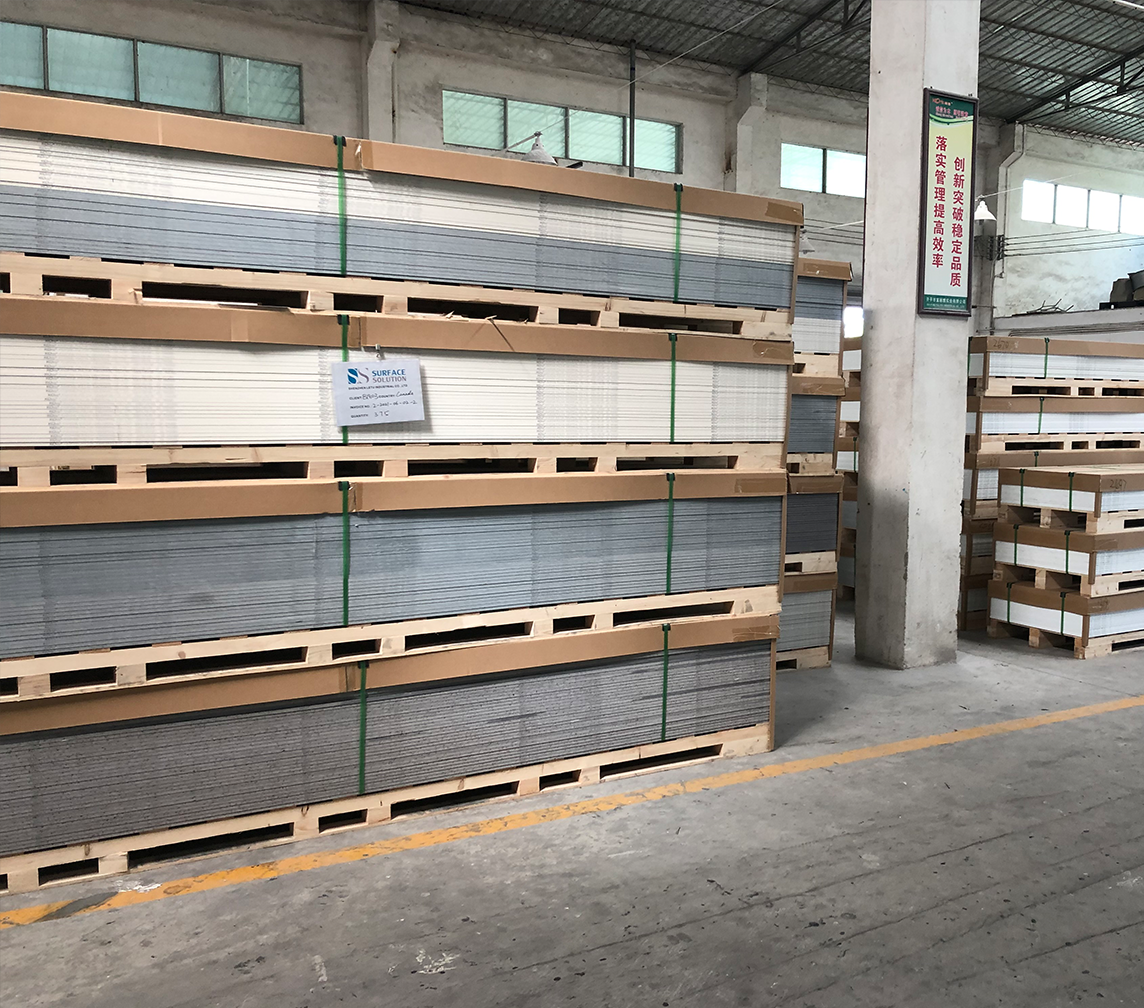
For example, industry leaders like Shenzhen Letu Industrial Co., Ltd offer over 300 color options. Whether you want the look of natural stone, a bold solid color, or a textured particle design, the manufacturing process allows for unlimited creative freedom.
3. Repairability
Accidents happen. A heavy pot might drop, or a knife might slip. If you chip granite, repairing it is expensive and difficult to hide. If you scratch laminate, you have to replace the whole countertop.
Acrylic counter tops are renewable. Minor scratches can be buffed out with a scouring pad, and deeper cuts or chips can be professionally repaired to look brand new. This longevity makes it a sustainable choice for the long term.
Comparing Acrylic to Other Materials
To help you visualize how acrylic stacks up against the competition, take a look at this comparison table regarding common kitchen requirements.
Feature | Acrylic Solid Surface | Granite / Natural Stone | Laminate | Quartz |
Porosity | Non-porous (No sealing needed) | Porous (Requires sealing) | Non-porous | Non-porous |
Seams | Invisible / Seamless | Visible seams | Visible seams | Visible seams |
Repairability | High (Sandable/Patchable) | Low (Difficult to repair) | None (Must replace) | Low |
Heat Resistance | Moderate (Use trivets) | High | Low | Moderate to High |
Stain Resistance | High | Low (unless sealed) | Moderate | High |
As you can see, while stone offers high heat resistance, it demands regular maintenance (sealing) to prevent stains. Acrylic offers a "set it and forget it" maintenance routine, provided you use basic protections like cutting boards and trivets.
Selecting a Reliable Manufacturer
The quality of your countertop depends heavily on the manufacturing process. Not all solid surfaces are created equal. You want a manufacturer that understands the delicate chemical balance required to create a surface that won't yellow over time and maintains its structural integrity.
Shenzhen Letu Industrial Co., Ltd has established itself as a premier solid surface fabricator. With over 25 years of experience, they specialize in both modified and pure acrylic solid surfaces. Their approach goes beyond just manufacturing sheets; they view their products as a "Surface Solution" intended to integrate seamlessly into daily life.
What sets them apart is their dedication to quality control. Every batch of product is inspected to ensure it is anti-fungal, easy to clean, and resistant to yellowing. If you are looking for a supplier that can handle bespoke customization for unique projects—from bathroom sinks to commercial reception desks—you can learn more about their capabilities on their About Us page.
Maintenance Tips for Longevity
While acrylic kitchen countertops are low maintenance, they are not "no maintenance." To keep them looking pristine for years, follow these simple guidelines:
· Heat: Acrylic can be damaged by extreme heat. Always use a trivet or hot pad under boiling pots or hot pans. Do not place hot styling tools directly on the surface in the bathroom.
· Cutting: Do not cut directly on the surface. While scratches can be repaired, it is easier to avoid them by using a cutting board.
· Cleaning: Daily cleaning requires only soapy water or an ammonia-based cleaner. Avoid harsh chemicals like strong drain cleaners or paint removers, as these can damage the finish.
· Water Marks: If you live in an area with hard water, wipe the surface dry after use to prevent mineral buildup, which can leave a film over time.
Elevate Your Home with the Right Surface
Choosing the right countertop is about finding the intersection of style and lifestyle. If you value a surface that is warm to the touch, easy to clean, and capable of recovering from the wear and tear of daily life, acrylic solid surface benchtops is a fantastic option.
It offers the elegance of stone without the high maintenance, and the affordability of laminate without the cheap appearance. With manufacturers offering hundreds of colors and custom shapes, your only limit is your imagination. Whether you are upgrading a residential kitchen or outfitting a commercial space, acrylic provides a reliable, beautiful foundation for your design.
acrylic counter tops
acrylic kitchen countertops
acrylic solid surface benchtops

 English
 العربية
 Français
 Português
 Deutsch
 日本語
日本語 한국어
한국어 Nederlands
 Tiếng Việt
 ไทย
ไทย Polski
 ພາສາລາວ
 ភាសាខ្មែរ
 Bahasa Melayu
 ဗမာစာ
ဗမာစာ Filipino
 Bahasa Indonesia
 magyar
 Română
 Čeština
 Монгол
 қазақ
қазақ Српски
 فارسی
فارسی Kiswahili
 Slovenčina
 Slovenščina
 Norsk
Norsk Svenska
 українська
 Ελληνικά
 Suomi
Suomi Հայերեն
 עברית
עברית Dansk
Dansk Shqip
Shqip Hrvatski
 Gaeilge
 Eesti keel
 latviešu
 Azərbaycan dili
 Беларуская мова
 Български
 ქართული
 ʻŌlelo Hawaiʻi
 Wikang Tagalog


