Renovating a kitchen or bathroom is a significant undertaking. The choices you make now will define the look and functionality of your space for years to come. While cabinetry and flooring set the tone, the countertops are the workhorses of the room. They need to withstand daily abuse from knives, heat, spills, and heavy groceries, all while looking pristine.
Among the myriad of options available—granite, quartz, marble, laminate—acrylic counter tops (often referred to as solid surface) occupy a unique niche. They offer a balance of durability, aesthetics, and affordability that few other materials can match. If you are looking for a seamless, hygienic, and customizable surface, acrylic might just be the perfect fit for your home.
What Are Acrylic Counter Tops?
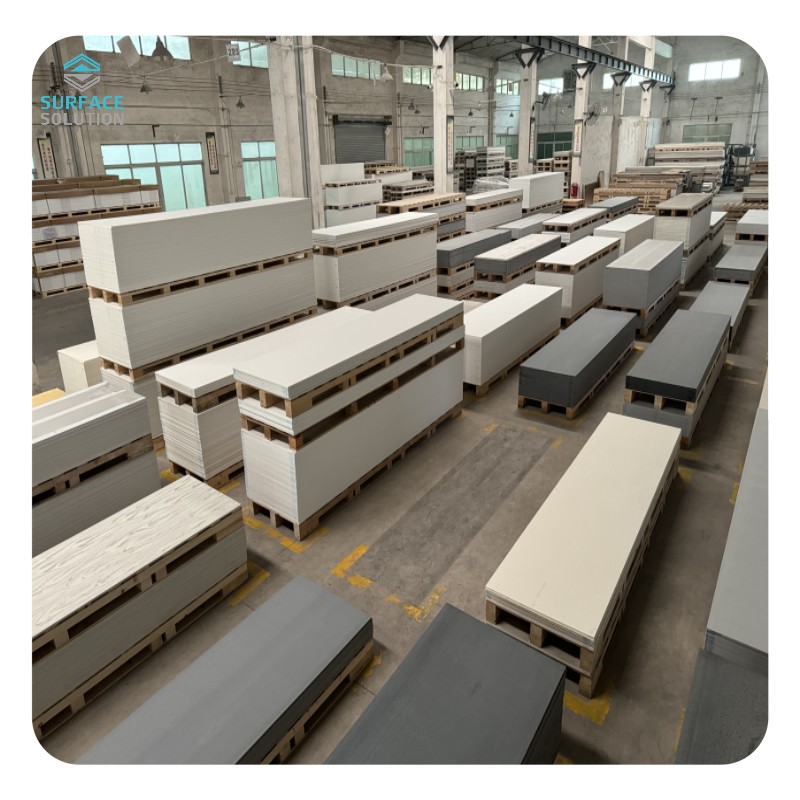
Acrylic counter tops are man-made materials composed of acrylic resin, natural minerals (like bauxite), and pigments. Unlike natural stone, which is quarried from the earth, acrylic surfaces are engineered. This manufacturing process creates a consistent, non-porous material that is the same color and pattern all the way through.
This consistency is where the term "solid surface" comes from. If you were to cut a slab of acrylic in half, the interior would look exactly like the exterior. This contrasts with laminate, which is just a thin photographic layer glued onto a particleboard core.
Developed originally in the 1960s (most famously under the brand name Corian), modern acrylic surfaces have evolved significantly. Today, manufacturers offer designs that mimic the random veining of marble, the speckling of granite, or bold, solid colors that natural stone can never achieve.
The Advantages of Choosing Acrylic
There is a reason these surfaces have remained popular for over half a century. They solve many of the practical headaches associated with natural stone.
Seamless Appearance
One of the biggest selling points of acrylic counter tops is the installation. The seams between sheets are bonded chemically and then sanded down. Once the process is complete, the joints are virtually invisible to the naked eye. This allows for long, flowing runs of countertop that appear to be a single piece. You can even integrate a sink made of the same material directly into the counter, eliminating the rim where grime and crumbs usually collect.
Superior Hygiene
Because acrylic is non-porous, it does not harbor bacteria, mold, or viruses. Fluids cannot penetrate the surface, making it an excellent choice for kitchens where raw meat is handled or bathrooms where hygiene is paramount. Unlike granite, which requires regular sealing to prevent staining and bacterial growth, acrylic is maintenance-free in this regard.
Incredible Repairability
Accidents happen. A heavy pot dropped on a granite edge might chip it, requiring a costly professional repair that never looks quite right. With acrylic, minor damage is easily fixed. Scratches, small cuts, and even cigarette burns can often be sanded out with a mild abrasive pad or fine-grit sandpaper. The surface can be restored to its original finish without specialized tools.
Thermoforming Capabilities
Acrylic resin becomes pliable when heated to high temperatures. This allows fabricators to bend and shape the material into curved designs, unique backsplashes, or custom furniture pieces. If you have a kitchen island with a curved edge or want a design that breaks away from straight lines, acrylic is often the only material that can accommodate those shapes seamlessly.
Potential Drawbacks
While versatile, acrylic counter tops are not indestructible. It is important to understand their limitations before making a purchase.
Heat Sensitivity
The resin used in these countertops is a type of plastic, which means it can melt or scorch. Placing a hot pan directly from the stove onto an acrylic surface can cause permanent damage or discoloration. Trivets and hot pads are non-negotiable requirements for owners of these countertops.
Susceptibility to Scratches
While acrylic is durable, it is softer than stone. It can be scratched by sharp knives or rough ceramics sliding across the surface. While these scratches are repairable, they can be annoying. Many homeowners opt for lighter colors or matte finishes, which hide scratches much better than dark, high-gloss options.
Comparison: Acrylic vs. Natural Stone vs. Quartz
To help you visualize how acrylic stacks up against the competition, here is a breakdown of key features.
Feature | Acrylic (Solid Surface) | Granite | Quartz (Engineered Stone) |
Porosity | Non-porous (No sealing needed) | Porous (Requires sealing) | Non-porous (No sealing needed) |
Seams | Invisible / Seamless | Visible seams | Visible seams |
Heat Resistance | Low (Can scorch/melt) | High | Moderate to High |
Scratch Resistance | Moderate (Repairable) | High | High |
Maintenance | Low | High (Periodic sealing) | Low |
Repairability | High (DIY sanding possible) | Low (Professional needed) | Low (Professional needed) |
Cost | Moderate | High | High |
Spotlight on Letu Surface
When exploring brands for your renovation, you may encounter Letu Surface. As a provider in the solid surface market, Letu Surface exemplifies the versatility and quality that modern homeowners demand from acrylic materials.
Choosing a reputable manufacturer like Letu Surface ensures that the ratio of resin to mineral is optimized for durability. Lower-quality acrylics can sometimes be brittle or discolor over time. Letu Surface focuses on providing high-performance sheets that maintain their color fidelity and structural integrity over years of use.
Whether you are looking for a pure, clinical white for a modern minimalist kitchen or a textured, stone-like pattern for a traditional bathroom vanity, Letu Surface offers options that cater to diverse design palettes. Their products are engineered to handle the rigors of daily life while providing that signature smooth, seamless touch that defines premium acrylic counter tops.
Installation and Cost Considerations
Installing acrylic counter tops is generally not a DIY project. While the material can be cut with standard woodworking tools, achieving those invisible seams requires professional adhesives and clamping techniques.
In terms of cost, acrylic usually sits in the mid-range. It is typically more expensive than laminate or tile but more affordable than premium granite, marble, or high-end quartz. Prices can vary significantly based on the complexity of the design, the specific color selected, and the brand. However, the longevity and repairability of the material often provide excellent value over the lifespan of the home.
Care and Maintenance Guide
Keeping your acrylic surfaces looking new is straightforward.
1. Daily Cleaning: Use warm soapy water or an ammonia-based cleaner (like standard glass cleaner). Avoid harsh chemicals like drain cleaners or paint strippers, which can damage the resin.
2. Preventing Water Marks: Wipe spills up promptly. While water won't penetrate the surface, hard water left to dry can leave filmy deposits that dull the finish.
3. Handling Stains: For stubborn stains, you can use a mild abrasive cleaner and a soft scrubbing pad. Rub in a circular motion to lift the stain.
4. Scratch Removal: If you notice fine scratches, they can often be buffed out using a slightly more abrasive pad. For deeper cuts, you may need fine-grit sandpaper, followed by a polish to restore the sheen.
Is Acrylic Right for Your Home?
Choosing the right countertop material is about balancing your lifestyle needs with your aesthetic preferences. If you demand a surface that feels warm to the touch, offers seamless hygiene, and allows for easy repairs, acrylic counter tops are a fantastic contender.
They may not offer the rock-hard heat resistance of granite, but their design flexibility and "renewable" surface make them a favorite for busy families and creative designers alike. Whether you choose a well-known industry staple or go with a quality provider like Letu Surface, investing in acrylic ensures you get a durable, beautiful foundation for your kitchen or bath.
acrylic counter tops
acrylic kitchen countertops
acrylic solid surface

 English
 العربية
 Français
 Português
 Deutsch
 日本語
日本語 한국어
한국어 Nederlands
 Tiếng Việt
 ไทย
ไทย Polski
 ພາສາລາວ
 ភាសាខ្មែរ
 Bahasa Melayu
 ဗမာစာ
ဗမာစာ Filipino
 Bahasa Indonesia
 magyar
 Română
 Čeština
 Монгол
 қазақ
қазақ Српски
 فارسی
فارسی Kiswahili
 Slovenčina
 Slovenščina
 Norsk
Norsk Svenska
 українська
 Ελληνικά
 Suomi
Suomi Հայերեն
 עברית
עברית Dansk
Dansk Shqip
Shqip Hrvatski
 Gaeilge
 Eesti keel
 latviešu
 Azərbaycan dili
 Беларуская мова
 Български
 ქართული
 ʻŌlelo Hawaiʻi
 Wikang Tagalog


