The kitchen is the heartbeat of the home. It is where meals are prepared, conversations happen, and memories are made. Because this space sees so much activity, the materials you choose for your renovation need to be more than just beautiful—they need to be resilient. Homeowners often find themselves torn between the high cost of natural stone and the lack of durability found in laminate. This is where the acrylic kitchen top shines as a premier middle ground.
Also known as solid surface, acrylic countertops offer a unique blend of practicality and aesthetic freedom that few other materials can match. They are warm to the touch, incredibly hygienic, and allow for designs that would be impossible with granite or quartz. Whether you are looking for a stark, minimalist white or a complex, stone-like texture, acrylics provide a canvas for creativity without sacrificing functionality.
However, selecting a countertop material is a significant investment. You need to know how it performs under heat, how it handles scratches, and whether it fits your lifestyle. This guide dives deep into the world of acrylic solid surfaces, helping you decide if this versatile material is the missing piece in your kitchen design puzzle.
What exactly is an acrylic solid surface?
At its core, an acrylic solid surface is a man-made material composed of acrylic resin, natural minerals, and pigments. This combination creates a surface that is consistent throughout its thickness, meaning the color and pattern go all the way through. This is a distinct advantage over laminate, where the design is only a thin layer on top.
There are generally two types of solid surfaces you will encounter: pure acrylic and modified acrylic. Pure acrylic is made from 100% acrylic resin, which makes it thermoformable—it can be heated and bent into curved shapes. Modified acrylic usually contains a blend of acrylic and polyester resins. While modified versions are durable and often more affordable, pure acrylic tends to offer superior strength and UV resistance.
Manufacturers like Shenzhen Letu Industrial Co., Ltd have spent over two decades perfecting these formulations. Through their brand, Surface Solution, they create modified and pure acrylic sheets that cater to bespoke kitchen projects, ensuring homeowners get a product that balances durability with visual appeal.
How do acrylic kitchen countertops compare to stone?
When shopping for an acrylic kitchen top, the most common point of comparison is natural stone (like granite) or engineered stone (like quartz). While stone is often touted for its hardness, acrylic offers benefits that stone simply cannot provide, particularly regarding hygiene and maintenance.
To help you visualize the differences, here is a comparison of how these materials stack up against one another:
Feature | Acrylic Solid Surface | Granite (Natural Stone) | Quartz (Engineered Stone) |
Porosity | Non-porous (Needs no sealing) | Porous (Needs regular sealing) | Non-porous |
Seams | Virtually invisible | Visible seams | Visible seams |
Repairability | High (Scratches sand out) | Low (Chips are hard to fix) | Low (Difficult to repair) |
Heat Resistance | Moderate | High | High |
Stain Resistance | High | Moderate (If sealed) | High |
Cold Feel | Warm to the touch | Cold to the touch | Cold to the touch |
The standout feature here is porosity. Because countertops solid surface materials are non-porous, they do not harbor bacteria or mold. This makes them exceptionally safe for food preparation areas.
What are the design advantages of using acrylic?
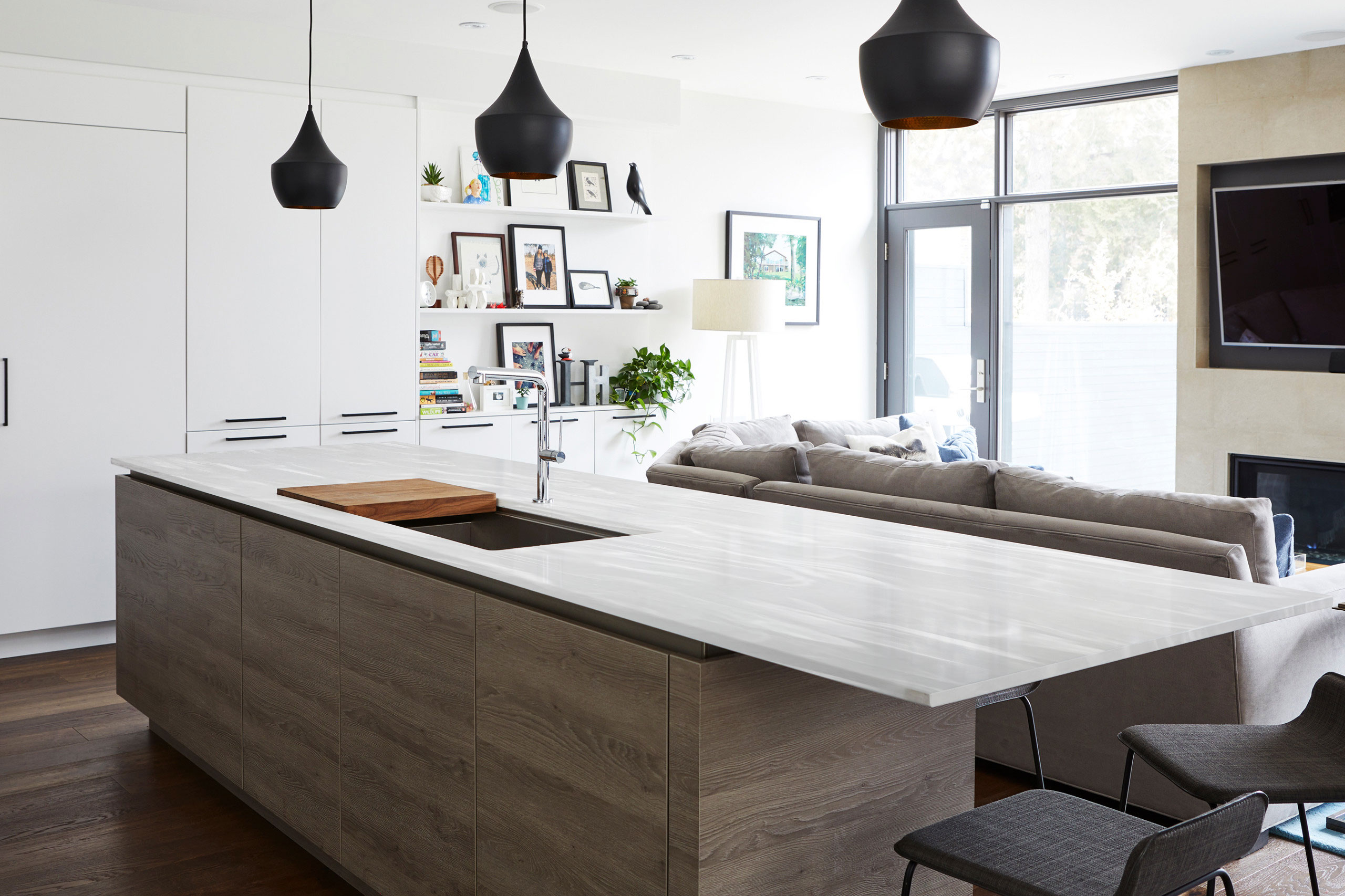
One of the primary reasons designers love working with acrylic is its seamless nature. Because the material is bonded with a color-matched adhesive and then sanded, the joints become virtually invisible. This allows for long, flowing runs of countertop that appear to be a single piece of material. This seamless capability extends to sinks as well. An integrated acrylic sink can be fused directly to the countertop, eliminating the lip where dirt and grime usually collect in traditional sink installations.
Furthermore, the design flexibility is unmatched. Since the material can be thermoformed, it can be heated and shaped into curves, organic flowing lines, or unique edge profiles that stone cutters cannot achieve. Whether you want a waterfall edge that cascades down the side of your island or a futuristic, curved breakfast bar, acrylic makes it possible.
For those concerned about safety and health standards, companies are innovating rapidly. For example, Shenzhen Letu Industrial Co., Ltd notes in their recent news that the industry is moving toward safer materials, referencing bans on high-silica engineered stones. Acrylic solid surfaces are a silica-free or low-silica alternative, making them a safer choice for fabricators and homeowners alike.
How easy is it to maintain an acrylic kitchen top?
Maintenance is often the deciding factor for busy households. The good news is that acrylic countertops are incredibly low maintenance. They do not require the yearly sealing that granite does, and they are easily cleaned with soapy water.
However, "durable" does not mean "indestructible." Acrylic is softer than stone, which means it can scratch. The unique advantage of this material is that it is renewable. If you scratch a granite counter, you often have to live with it or pay a professional hundreds of dollars to fix it. With an acrylic kitchen top, minor scratches and burns can often be sanded out using a mild abrasive cleaner and a scouring pad. For deeper cuts, a professional can sand the surface down, effectively returning it to its original, brand-new condition.
Here is a quick guide on how to treat your surface:
Do's | Don'ts |
DO use warm, soapy water for daily cleaning. | DON'T place hot pots directly on the surface (use a trivet). |
DO use ammonia-based cleaners for a streak-free shine. | DON'T cut directly on the countertop (use a cutting board). |
DO wipe up spills quickly to prevent surface staining. | DON'T use strong chemicals like paint removers or oven cleaners. |
DO buff out minor scratches with a mild abrasive pad. | DON'T allow boiling water to pour into an integrated sink without running cold water. |
Why is the "seamless" look so important?
Beyond the aesthetic appeal of a smooth, uninterrupted surface, the seamless nature of countertops solid surface materials plays a vital role in hygiene. In a kitchen environment, seams and grout lines are the enemy. They are the places where crumbs, moisture, and bacteria hide.
With acrylics, the "hard seams" found in granite or laminate installation are replaced by chemical bonds. When a fabricator installs your countertop, they use a color-matched adhesive that melts the two pieces of acrylic together. Once it cures and is sanded smooth, the two pieces become one.
This is particularly beneficial for large islands or L-shaped kitchens where seams are usually unavoidable. It creates a visual continuity that makes small kitchens look larger and large kitchens look luxurious and unified. This seamless attribute is why solid surfaces are also heavily used in hospitals and laboratories—places where sanitation is paramount.
Is acrylic affordable compared to other options?
Budget is always a concern in home renovation. Acrylic kitchen countertops generally sit in the mid-range price bracket. They are typically more expensive than laminate or tile but are usually more affordable than premium granite, marble, or high-end quartz.
The value proposition of acrylic lies in its longevity. While a laminate top might peel or burn and need replacing after a few years, an acrylic top can be refinished. You are essentially buying a surface that can be renewed over and over again. When you factor in the lack of maintenance costs (no sealers required) and the ability to repair accidents without replacing the whole slab, the long-term cost of ownership is very competitive.
Additionally, manufacturers offer different tiers of products. A "solid color" series might be more budget-friendly, while an "artificial marble" series that mimics the veining of natural stone might carry a premium. This allows you to scale your choice to fit your renovation budget.
Can acrylic countertops withstand heat?
This is perhaps the biggest misconception about acrylics. While they are heat resistant, they are not heat proof. Acrylic is a plastic-based resin, which means it can be damaged by extreme heat. Placing a red-hot cast iron skillet directly onto the surface will likely cause a scorch mark or, in extreme cases, a crack.
However, compared to laminate, which will melt and burn irreparably, acrylic is much more forgiving. As mentioned earlier, minor scorch marks can often be sanded out. To protect your investment, the rule of thumb is simple: always use a trivet or a hot pad. If you have an instant hot water tap, ensure it is installed correctly so the boiling water doesn't constantly hit one spot of the sink, which could cause thermal shock over time.
Ready to upgrade your kitchen?
Choosing the right countertop is about balancing your aesthetic desires with the realities of your daily life. If you want a surface that offers seamless hygiene, incredible design flexibility, and the ability to repair life's little accidents, an acrylic kitchen top is a standout contender.
It brings a warmth and softness to the kitchen that stone cannot replicate, all while providing a durable workspace for your culinary adventures. Whether you prefer the organic look of modified acrylic or the thermoformable capabilities of pure acrylic, there is a solution that fits your home.
For those interested in exploring high-quality options, Shenzhen Letu Industrial Co., Ltd offers a wide range of colors and series, from particle textures to marble effects. Their commitment to quality ensures you get a surface that looks beautiful today and remains beautiful for years to come.
acrylic kitchen countertops
acrylic kitchen top
countertops solid surface

 English
 العربية
 Français
 Português
 Deutsch
 日本語
日本語 한국어
한국어 Nederlands
 Tiếng Việt
 ไทย
ไทย Polski
 ພາສາລາວ
 ភាសាខ្មែរ
 Bahasa Melayu
 ဗမာစာ
ဗမာစာ Filipino
 Bahasa Indonesia
 magyar
 Română
 Čeština
 Монгол
 қазақ
қазақ Српски
 فارسی
فارسی Kiswahili
 Slovenčina
 Slovenščina
 Norsk
Norsk Svenska
 українська
 Ελληνικά
 Suomi
Suomi Հայերեն
 עברית
עברית Dansk
Dansk Shqip
Shqip Hrvatski
 Gaeilge
 Eesti keel
 latviešu
 Azərbaycan dili
 Беларуская мова
 Български
 ქართული
 ʻŌlelo Hawaiʻi
 Wikang Tagalog


